Drywall plays a crucial role in shaping the structure and appearance of interior spaces. It forms the smooth surfaces that define walls and ceilings, creating a clean backdrop for paint, décor, and lighting. Because drywall is used throughout nearly every room of a home, even minor damage can become noticeable quickly. Over time, everyday wear, moisture, settling, or accidental impacts can compromise its condition and appearance.
Many homeowners overlook early drywall damage because it often begins as small cracks or subtle imperfections. However, these minor issues can gradually develop into more visible problems that affect both the aesthetic quality and structural integrity of interior walls. Recognizing the signs early allows repairs to be addressed before the damage spreads further or becomes more costly to fix.
Visible Cracks Appearing on Walls or Ceilings
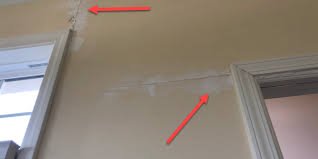
One of the most common indicators that drywall repair may be necessary is the appearance of cracks along walls or ceilings. These cracks can form for a variety of reasons, including normal house settling, seasonal temperature changes, or structural movement within the building. While hairline cracks may initially appear harmless, they often signal stress within the drywall that could worsen over time.
When cracks widen or spread across larger sections of a wall, they can disrupt the smooth surface that drywall is meant to provide. In some cases, cracked drywall may also affect the appearance of painted surfaces, making the damage more visible after finishing work. Addressing these issues early helps maintain the visual consistency of interior walls and prevents the cracks from expanding further.
Dents and Holes from Daily Impact
Drywall is durable but not immune to everyday accidents. Furniture movement, door handles striking walls, or other household impacts can leave dents or small holes in drywall surfaces. Even minor damage can draw attention because drywall is designed to present a flat and uniform finish.
Repairing dents and holes becomes especially important before repainting or renovating interior spaces. Small imperfections can stand out once fresh paint is applied, disrupting the overall look of a room. For homeowners preparing to refresh their interiors with an interior painter, repairing damaged drywall beforehand ensures that new finishes appear smooth and professional rather than highlighting underlying flaws.
Peeling Paint or Bubbling Surfaces
When drywall begins to deteriorate beneath the surface, the effects often become visible through paint problems. Bubbling, peeling, or flaking paint can signal moisture exposure or structural stress within the drywall itself. Although these issues may appear to be purely cosmetic, they often originate from deeper damage that requires attention.
Moisture infiltration is a frequent cause of these symptoms. Water from leaks, humidity, or condensation can weaken drywall and compromise the bond between the wall surface and paint layers. If these problems continue without repair, the drywall may soften or crumble, eventually requiring larger restoration work to restore the wall’s structure.
Water Stains and Discoloration
Water stains are among the clearest signs that drywall may need professional repair. Discolored patches on ceilings or walls often indicate that water has penetrated the drywall material. These stains may appear as yellow, brown, or darker marks that gradually expand if the moisture source remains unresolved.
In addition to affecting the appearance of interior walls, prolonged water exposure can weaken drywall panels and encourage mold growth. Once the source of moisture has been corrected, damaged drywall sections often require removal, patching, and refinishing. Restoring these surfaces helps ensure the surrounding area remains structurally sound and visually consistent with the rest of the room.
Uneven or Bulging Wall Surfaces
Drywall is designed to create a level, smooth surface throughout interior spaces. When sections begin to bulge, warp, or appear uneven, it may indicate underlying problems such as moisture absorption or improper installation. These distortions can become more noticeable under natural or artificial lighting, which tends to highlight irregular wall textures.
Bulging drywall may also occur when fasteners loosen or framing shifts slightly over time. As the drywall separates from its supports, the surface may begin to protrude or ripple. Repairing these areas helps restore the uniform appearance of the wall while reinforcing the drywall structure where needed.
Nail Pops and Fastener Marks
Another sign that drywall may require attention is the appearance of nail pops or small circular bumps on the wall surface. These occur when nails or screws holding the drywall in place shift slightly outward from the framing behind the wall. The movement can push the drywall surface outward, creating visible imperfections.
Although nail pops may seem minor at first, they often signal movement within the wall structure. Over time, repeated shifting can cause additional fasteners to loosen, increasing the number of visible marks across a wall. Repairing nail pops typically involves securing the drywall again and refinishing the surface to restore a smooth finish.
Joint Tape Becoming Visible
Drywall panels are connected using joint tape and compound to create a seamless surface. When these materials begin to deteriorate, the tape may become visible beneath the paint or begin to peel away from the wall. This issue can appear as thin lines running across walls or ceilings where panels meet.
Joint tape problems can develop due to humidity changes, aging materials, or improper original installation. Once the tape begins separating, the seam between drywall panels becomes more noticeable. Repairing these seams involves reapplying compound and smoothing the surface so that the wall regains its continuous appearance.
Preparing Walls for New Painting Projects
Many homeowners discover drywall imperfections when planning a fresh paint project. New paint tends to highlight surface flaws that were previously less noticeable, especially under brighter lighting conditions. Cracks, dents, and uneven textures can become more visible once walls are repainted.
For this reason, drywall repair is often an essential step before scheduling a Home painting service. Addressing structural imperfections first allows the paint to adhere evenly and creates a clean foundation for the final finish. Smooth, properly repaired drywall ensures that newly painted walls look refined and consistent throughout the home.
Aging Drywall and General Wear Over Time
Even without major damage, drywall naturally experiences wear over many years. Subtle imperfections may accumulate from minor impacts, small cracks, or surface fatigue. Gradually, these small issues can combine to affect the overall appearance of a room.
Older drywall surfaces may also show signs of patchwork from previous repairs that no longer blend smoothly with the surrounding wall. When these imperfections become noticeable across multiple areas, comprehensive drywall repair can restore the walls to a more uniform condition before any further interior updates.
Conclusion
Drywall damage often begins subtly, appearing as minor cracks, dents, or surface irregularities that may seem insignificant at first. However, these early warning signs can gradually evolve into more visible structural or cosmetic issues if left unaddressed. Recognizing the symptoms—such as water stains, nail pops, uneven surfaces, or peeling paint—allows homeowners to take timely action and maintain the integrity of their interior walls.
Repairing drywall not only improves the appearance of a home but also supports long-term durability for painted finishes and interior design elements. By addressing drywall problems as they arise, walls remain smooth, stable, and ready for future updates, helping interior spaces retain their polished and well-maintained look.