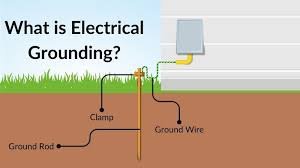
Grounding is a fundamental element of modern electrical systems, yet it often remains unnoticed because it operates silently in the background. Its primary purpose is to provide a stable reference point for electrical voltage and a safe pathway for excess or unwanted current to travel. Without grounding, electrical systems would be far more vulnerable to faults, unpredictable voltage behavior, and damage to equipment.
In residential, commercial, and industrial environments, grounding connects electrical circuits to the earth through conductive pathways. This connection helps regulate voltage levels and ensures that electrical energy behaves in a controlled and predictable manner. Understanding the role of grounding reveals why it is considered one of the most important protective features in any electrical installation.
Definition and Basic Principles of Grounding
Grounding refers to the intentional connection of an electrical system to the earth through a conductor, commonly known as a grounding wire or grounding electrode. The earth acts as a massive reservoir that can absorb or release electrical charge as needed. By linking the electrical system to this reservoir, grounding establishes a common voltage reference point for all connected components.
In practical terms, grounding stabilizes electrical circuits by preventing them from floating at unpredictable voltage levels. When a system is grounded, the voltage of exposed metal parts, such as appliance frames or electrical enclosures, remains close to earth potential. This creates consistency across the system and reduces the likelihood of dangerous voltage differences forming between components.
The basic principle behind grounding lies in electrical balance. Electricity naturally seeks the path of least resistance, and the earth provides a vast conductive mass capable of dissipating stray or excess current. By guiding unwanted current safely into the ground, grounding helps maintain normal operating conditions within the system.
Grounding as a Pathway for Fault Current
One of the most critical functions of grounding is providing a controlled route for fault current. Fault current occurs when electricity escapes its intended path, such as when a live wire contacts a metal casing or structural surface. In an ungrounded system, this stray current may remain on the surface of equipment, creating a hazardous condition.
When a grounding conductor is present, the fault current is directed away from the equipment and into the earth. This pathway allows the electrical system to respond appropriately by triggering protective devices such as circuit breakers or fuses. These devices detect the abnormal flow of current and interrupt the circuit, stopping the supply of electricity.
By serving as a channel for fault current, grounding prevents prolonged exposure to unintended electrical energy. This function protects both the system itself and the surrounding environment from the buildup of uncontrolled electrical charge.
Voltage Stabilization and System Balance
Grounding plays a central role in stabilizing voltage within electrical systems. Voltage stability is essential for consistent operation of electrical devices, as fluctuations can interfere with performance and longevity. A grounded system maintains a reference point that all circuit voltages relate to, ensuring uniform behavior across different branches of the system.
Without grounding, electrical circuits may experience what is known as “floating voltage,” where the potential difference between conductors becomes unpredictable. This condition can cause certain components to operate at higher or lower voltages than intended. Grounding minimizes these variations by anchoring the system to a constant baseline.
In large-scale installations, such as industrial plants or data centers, grounding helps balance complex networks of circuits and equipment. By maintaining a shared reference point, it ensures that electrical energy is distributed evenly and that sensitive equipment operates within its designed voltage range.
Protection of Equipment and Infrastructure
Electrical equipment is designed to function within specific voltage and current limits. When these limits are exceeded due to surges, faults, or imbalances, internal components may degrade or fail. Grounding contributes to equipment protection by redirecting excess electrical energy away from sensitive circuits.
During abnormal conditions, such as insulation breakdown or short circuits, grounding prevents excess voltage from accumulating on equipment surfaces. This redirection reduces stress on internal wiring and electronic parts. Over time, this protective function preserves the integrity of motors, control panels, and electronic devices.
Infrastructure, including wiring systems and distribution panels, also benefits from grounding. By limiting uncontrolled electrical buildup, grounding reduces the risk of overheating and material degradation. This contributes to the overall stability and durability of the electrical installation.
Grounding and Electrical Noise Control
Electrical noise refers to unwanted fluctuations or disturbances in electrical signals. These disturbances can originate from various sources, such as switching devices, motors, or external electromagnetic fields. In systems that rely on precise electrical signals, such as communication networks or data processing equipment, noise can interfere with normal operation.
Grounding helps manage electrical noise by providing a reference point for signal levels. When all components share the same ground potential, differences in voltage caused by interference are reduced. This consistency allows signals to remain clearer and more distinguishable from background disturbances.
In complex systems, grounding also helps prevent the buildup of static electricity and stray currents that could distort measurements or disrupt sensitive electronics. By maintaining electrical uniformity, grounding supports the accuracy and reliability of signal-based systems.
Role in Lightning and Surge Management
Lightning strikes and electrical surges introduce extremely high levels of energy into electrical systems. These events can occur through direct strikes or through induced voltage from nearby activity. Grounding serves as a critical pathway for directing this excess energy safely into the earth.
When a surge enters a grounded system, the grounding conductors provide a route that bypasses internal circuits and components. This controlled path reduces the amount of energy that passes through equipment. While additional protective devices are often used alongside grounding, the grounding system itself forms the foundation of surge management.
By dispersing surge energy into the ground, grounding prevents large voltage differences from forming across wiring and devices. This function is essential for maintaining the continuity of electrical service and minimizing the impact of external electrical disturbances.
Structural and System Integration
Grounding is not an isolated feature; it is integrated into the entire structure of an electrical system. From service panels to branch circuits, grounding conductors link components together and connect them to the earth. This network creates a unified system in which all exposed metal parts share the same electrical potential.
This integration ensures that no single component becomes electrically isolated or operates at a significantly different voltage level than others. The result is a cohesive electrical environment where energy flows along defined and predictable paths. Grounding ties together panels, conduits, and enclosures into a single reference system.
In large buildings or industrial facilities, grounding systems may include multiple electrodes and bonding connections. These elements work together to create a broad and stable connection to the earth. The scale of integration reflects the complexity and size of the electrical network being supported.
Grounding in Different Types of Electrical Systems
The role of grounding remains consistent across various types of electrical systems, but its implementation can vary depending on the application. In residential systems, grounding connects household circuits and appliances to a grounding electrode, typically through a grounding rod or similar structure. This setup provides a basic level of stability and fault current control.
Commercial systems often involve more extensive grounding networks due to the presence of larger loads and more complex equipment. These systems may include dedicated grounding conductors for specific devices and interconnected grounding grids that support multiple circuits.
Industrial systems rely heavily on grounding because of high power levels and sensitive control equipment. In these environments, grounding supports both safety and operational precision. By maintaining uniform electrical potential across machinery and control systems, grounding contributes to consistent performance in demanding conditions.
Conclusion
Grounding plays a central role in the safe and stable operation of electrical systems. By establishing a reference point for voltage and providing a pathway for fault and excess current, it ensures that electricity behaves in a controlled and predictable manner. Its influence extends beyond safety, contributing to voltage stability, equipment protection, and signal reliability.
Across residential, commercial, and industrial installations, grounding integrates every part of the electrical network into a unified system connected to the earth. This connection supports the overall balance of electrical energy and reduces the impact of faults, surges, and disturbances. The role of grounding, though often unseen, remains essential to the structure and performance of modern electrical systems.