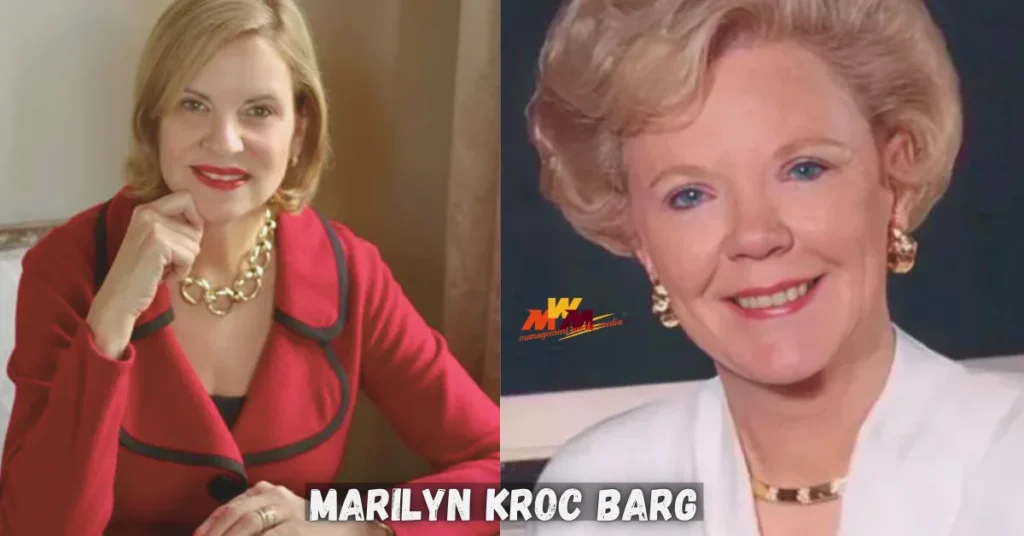
Marilyn Kroc Barg is remembered not simply as the daughter of McDonald’s founder, but as a woman who transformed personal privilege into meaningful service. While her family name connected her to immense business success, Marilyn chose a different path—one rooted in compassion, charity, and long-lasting social impact. Through her commitment to philanthropy, especially her role in establishing Ronald McDonald House Charities, Marilyn Kroc Barg helped redefine how corporate influence and personal generosity could work together to support families in crisis.
This in-depth Marilyn Kroc Barg biography explores her early life, family background, marriages, passions, charitable legacy, and the enduring influence she continues to have today. It highlights how her values, rather than wealth or fame, shaped a life devoted to service and community care.
Quick Biography Overview
| Attribute | Information |
|---|---|
| Full Name | Marilyn Janet Lynn Kroc Barg |
| Commonly Known As | Marilyn Kroc Barg |
| Date of Birth | October 15, 1924 |
| Birthplace | Chicago, Illinois, USA |
| Date of Death | September 11, 1973 |
| Age at Death | 48 years |
| Place of Death | Arlington Heights, Illinois, USA |
| Burial Site | Memorial Park Cemetery, Skokie, Illinois |
| Father | Ray Kroc |
| Mother | Ethel Janet Fleming |
| Marital Status | Married twice |
| Spouses | Sylvester Nordly Nelson; Walter James Barg |
| Children | Not publicly documented |
| Profession | Philanthropist, Businesswoman |
| Nationality | American |
| Religion | Christianity |
| Known For | Charity work, Ronald McDonald House Charities |
| Estimated Net Worth | Around $1 million (at time of death) |
Early Life and Family Roots
Marilyn Kroc Barg was born on October 15, 1924, in Chicago, Illinois, during a period of rapid economic and cultural change in the United States. She was the only child of Ray Kroc and Ethel Janet Fleming, growing up in a household that balanced ambition with traditional family values.
Although her father would later become one of the most influential figures in the fast-food industry, Marilyn’s early years were relatively modest. Her upbringing emphasized discipline, humility, and empathy qualities that would strongly influence her adult life. Being an only child allowed Marilyn to develop close bonds with both parents, especially her mother, whose nurturing presence helped instill compassion and emotional strength.
As Ray Kroc’s business ambitions grew, Marilyn witnessed firsthand the pressures and rewards of success. However, rather than becoming defined by wealth, she learned the importance of responsibility and giving back. These early experiences laid the foundation for her lifelong dedication to philanthropy and community service.
Age, Appearance, and Personality
Marilyn Kroc Barg lived for 48 years, passing away in 1973. Throughout her life, she was described as having brown hair, dark brown eyes, and a calm, graceful presence. While she avoided the spotlight, those who knew her often spoke of her warmth, quiet confidence, and genuine concern for others.
Her outward appearance reflected her inner character—composed, approachable, and dignified. Marilyn was not interested in celebrity status; instead, she valued authenticity and meaningful relationships. This understated personality became one of her defining traits.
Education and Personal Growth
Public records provide limited details about Marilyn Kroc Barg’s formal education. However, growing up in a household shaped by entrepreneurship and innovation exposed her to business thinking and leadership concepts from an early age. She absorbed lessons about perseverance, planning, and long-term vision simply by observing her father’s career.
Beyond academics, Marilyn pursued personal development through her interests. She cultivated a deep love for horses, the arts, and charitable work. These passions allowed her to build an identity independent of her family name, reinforcing her sense of purpose and individuality.
Rather than relying on inherited status, Marilyn focused on self-growth, emotional intelligence, and service-oriented goals—qualities that later defined her philanthropic career.
About Her Father: Ray Kroc
Ray Kroc was the visionary entrepreneur who transformed McDonald’s from a small restaurant into a global fast-food empire. Starting as a milkshake machine salesman, he recognized the scalability of the McDonald brothers’ system and built one of the most recognizable brands in history.
Ray Kroc’s relentless work ethic and business acumen brought enormous success, but Marilyn chose not to follow him into corporate leadership. Instead, she applied the resources and influence connected to her family toward charitable and humanitarian causes, demonstrating that success can be measured by impact rather than profit.
About Her Mother: Ethel Janet Fleming
Ethel Janet Fleming, Marilyn’s mother and Ray Kroc’s first wife, maintained a largely private life. Her influence, however, was deeply felt within the family. Ethel provided stability during periods of professional uncertainty and personal transition, ensuring that Marilyn grew up in a supportive environment.
Her emphasis on kindness, humility, and emotional grounding played a crucial role in shaping Marilyn’s values. Many of Marilyn Kroc Barg’s charitable instincts can be traced back to her mother’s quiet guidance and moral example.
First Marriage: Sylvester Nordly Nelson
Marriage and Early Adulthood
In 1949, Marilyn married Sylvester Nordly Nelson, marking the beginning of her adult life away from her parents’ home. The marriage occurred during a period of post-war adjustment in America, and it exposed Marilyn to new responsibilities and perspectives.
Who Was Sylvester Nordly Nelson?
Sylvester Nordly Nelson was a World War II veteran who served in the 363rd Infantry. His military background reflected discipline and resilience, qualities that influenced Marilyn during their time together. While details about his later life remain limited, his service record highlights a commitment to duty.
Divorce and Life Transition
The marriage eventually ended in divorce. Although the reasons were kept private, this separation became a turning point for Marilyn. Following the divorce, she redirected her focus toward personal independence, charitable interests, and long-term goals.
Second Marriage: Walter James Barg
A Partnership Built on Service
In 1960, Marilyn married Walter James Barg, an administrator with a strong interest in community service. Unlike her first marriage, this union was grounded in shared philanthropic values.
Who Was Walter James Barg?
Walter James Barg supported Marilyn’s charitable ambitions and played an active role in organizing philanthropic initiatives. His administrative skills complemented Marilyn’s vision, enabling them to collaborate effectively on social causes.
Together, they supported projects connected to healthcare, family welfare, and nonprofit development, reinforcing Marilyn’s influence in the philanthropic world.
Children and Private Family Life
There is no verified public information confirming that Marilyn Kroc Barg had children. She was known for maintaining a high level of privacy regarding her personal affairs, preferring that public attention remain focused on charitable work rather than family matters.
This discretion reflected her belief that service should be selfless and not driven by personal recognition.
Passion for Horses and the Arts
Marilyn Kroc Barg had a lifelong love for horses, actively engaging in breeding, training, and equestrian activities. This passion brought balance to her life, offering both personal fulfillment and a sense of responsibility.
In addition to equestrian pursuits, Marilyn was an avid supporter of the arts. She collected artwork and donated pieces to galleries and cultural institutions, ensuring broader public access to creative expression. Her involvement in the arts demonstrated her appreciation for beauty, culture, and emotional connection.
Philanthropic Career and Community Impact
Founding Ronald McDonald House Charities
Marilyn Kroc Barg played a crucial role in the early development of Ronald McDonald House Charities, which began as a single house providing accommodation to families with hospitalized children.
Her vision helped shape the organization’s mission: keeping families close during medical crises. Over time, the initiative expanded into a global network with hundreds of houses worldwide, offering housing, meals, and emotional support.
Broader Charitable Efforts
Beyond this landmark organization, Marilyn supported numerous causes, including:
-
Medical research, particularly diabetes studies
-
Education scholarships
-
Arts and cultural institutions
-
Holiday programs through the Salvation Army
Her philanthropy was deeply personal, influenced by her own health struggles and desire to ease suffering for others.
Health Challenges and Passing
Marilyn Kroc Barg lived with diabetes for many years, managing the condition while remaining active in charitable work. Unfortunately, complications from the illness led to her death on September 11, 1973, in Arlington Heights, Illinois.
She was laid to rest in Skokie’s Memorial Park Cemetery following a private service that reflected her humble nature. Her passing was widely felt within charitable circles, especially among those connected to Ronald McDonald House Charities.
Financial Standing and Values
At the time of her death, Marilyn Kroc Barg’s net worth was estimated at approximately $1 million. While modest compared to her father’s fortune, this figure reflected her intentional approach to wealth management.
Rather than accumulating assets, Marilyn prioritized giving. Her financial decisions ensured long-term support for charitable initiatives and reinforced her belief that money should serve humanity.
Enduring Legacy and Influence
The legacy of Marilyn Kroc Barg continues through the global reach of Ronald McDonald House Charities and the many institutions she supported. Her influence extends into healthcare, education, and the arts, inspiring future philanthropists to lead with empathy and purpose.
Marilyn’s life demonstrates that meaningful change often comes from quiet dedication rather than public acclaim. Her story remains a powerful reminder that compassion can create lasting social impact.
Conclusion
Marilyn Kroc Barg lived a life defined by generosity, humility, and unwavering commitment to others. While her family name opened doors, it was her heart and vision that built lasting change. Through philanthropy, personal integrity, and service, she created a legacy that continues to support families and communities worldwide.
Her journey proves that true success lies not in recognition, but in the lives touched along the way.
FAQs About Marilyn Kroc Barg
Who was Marilyn Kroc Barg?
Marilyn Kroc Barg was an American philanthropist best known for helping establish Ronald McDonald House Charities and for her dedication to charitable causes supporting families and healthcare.
When was Marilyn Kroc Barg born?
She was born on October 15, 1924, in Chicago, Illinois.
Who were Marilyn Kroc Barg’s parents?
Her father was Ray Kroc, the founder of McDonald’s, and her mother was Ethel Janet Fleming.
Was Marilyn Kroc Barg married?
Yes, she married twice first to Sylvester Nordly Nelson and later to Walter James Barg.
Did Marilyn Kroc Barg have children?
There is no publicly confirmed information indicating that she had children.
What is Marilyn Kroc Barg best known for?
She is best known for her role in founding Ronald McDonald House Charities and her broader philanthropic efforts.
How did Marilyn Kroc Barg die?
She passed away in 1973 due to complications related to diabetes.
What was Marilyn Kroc Barg’s net worth?
Her estimated net worth at the time of her death was around $1 million, much of which supported charitable causes.